
The Falcon Blog
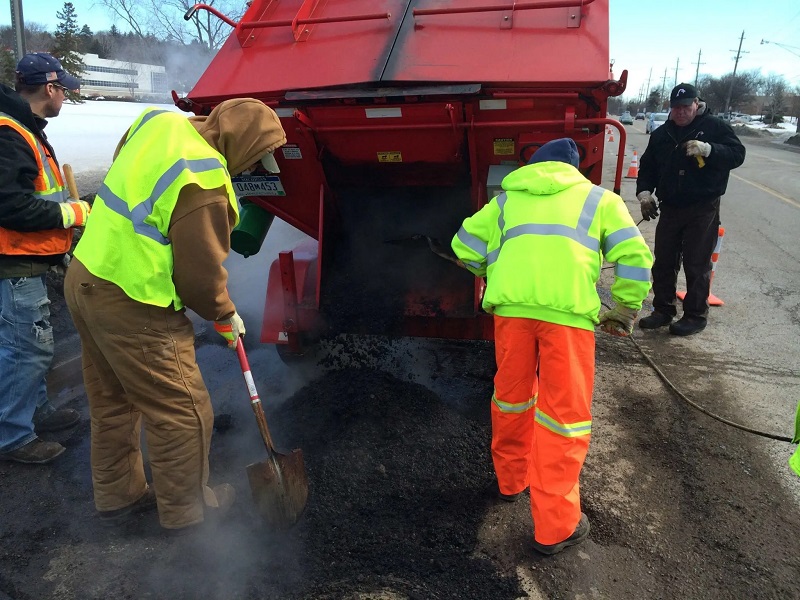
How Hot Does Asphalt Need to be Laid?
Maintaining the proper temperature of hot mix asphalt is a significant challenge for road maintenance crews. The material starts cooling the second it gets dumped into the truck bed at the asphalt plant. It then becomes a race against time to ensure workers can get to...
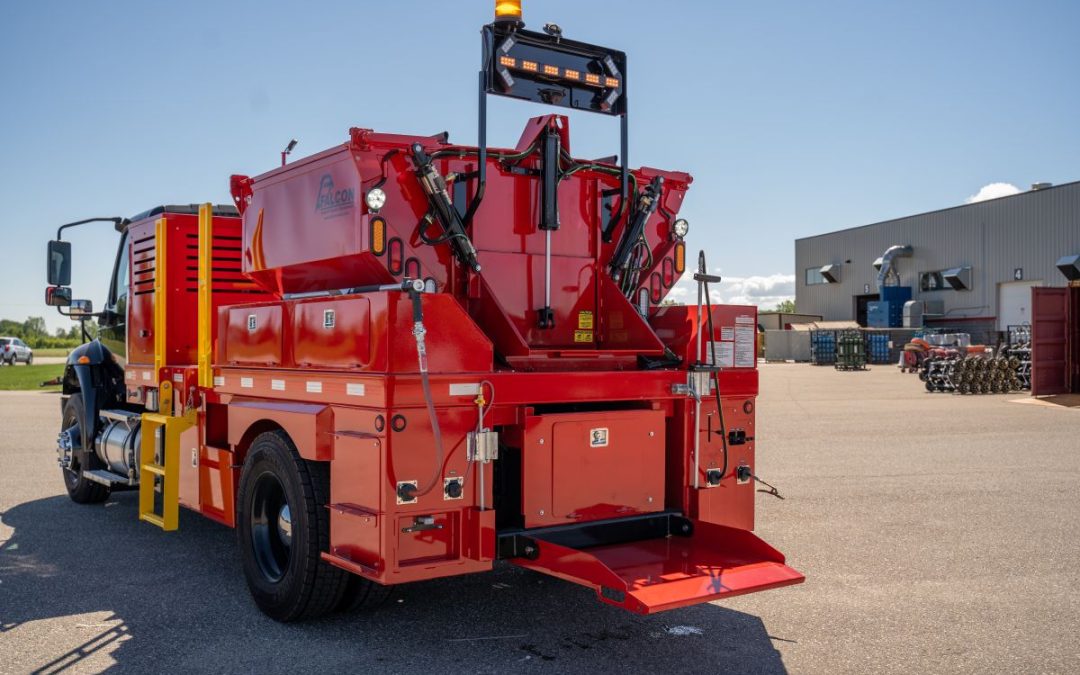
Why Patch Trucks are Built for High-Volume, Repetitive Pothole Repair Routes
For municipalities and contractors responsible for maintaining large roadway networks, pothole repair is rarely a one-off task. It’s a structured, repetitive operation, often carried out across planned routes where crews may complete dozens or even hundreds of repairs...
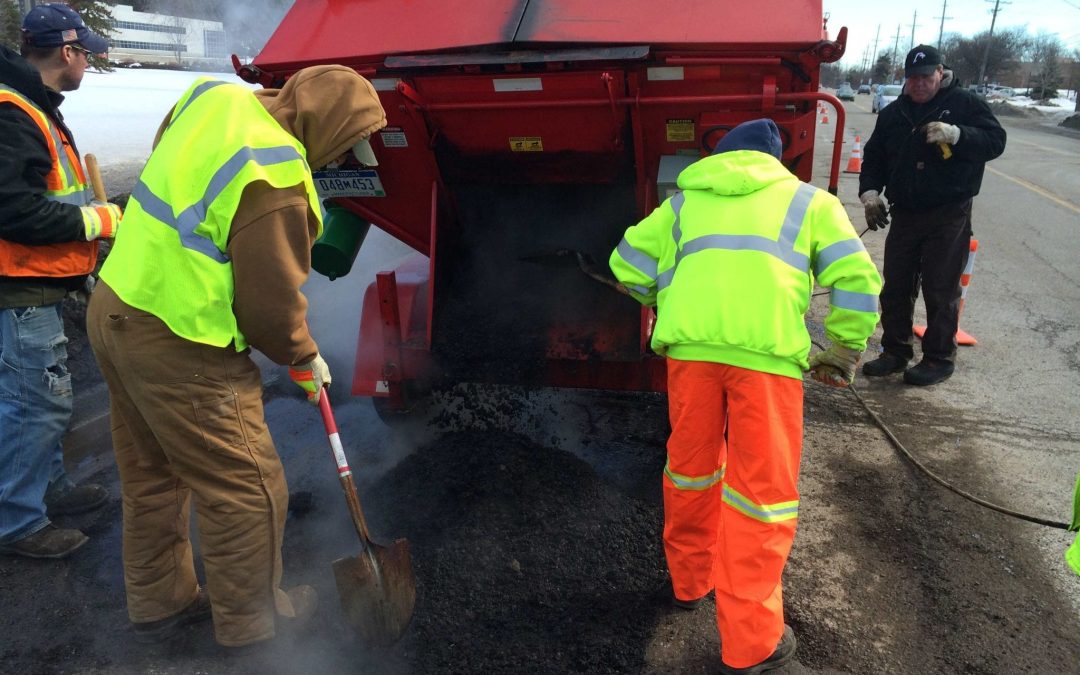
How Hot Boxes Integrate into a Contractor’s Existing Fleet
When you're managing a road maintenance crew, the last thing you need is equipment that creates more problems than it solves. New gear that ties up a truck, restrains your team, or breaks your daily rhythm isn't an upgrade; it's a liability. So before we get...
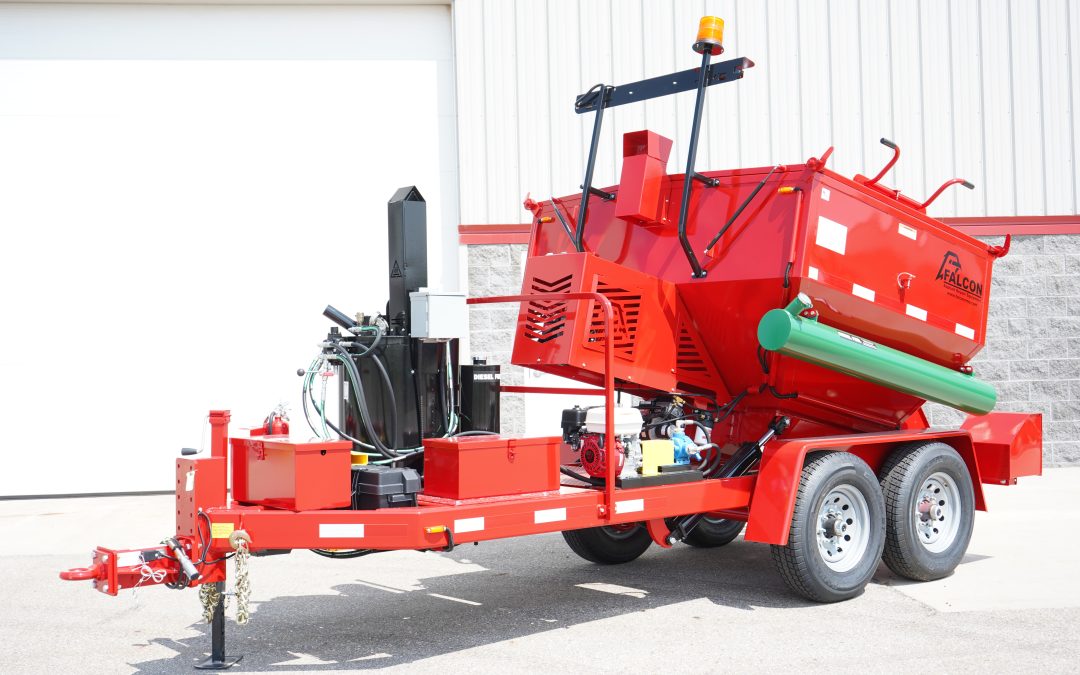
Flexibility & Configurations of Hot Boxes: How Contractors Benefit
No two contractors operate the same way. Crew sizes, job types, and workflows vary, which means a one-size-fits-all hot box often falls short. That’s why flexibility in hot box design isn’t just a nice-to-have, it’s a strategic advantage for paving, seal coating, and...
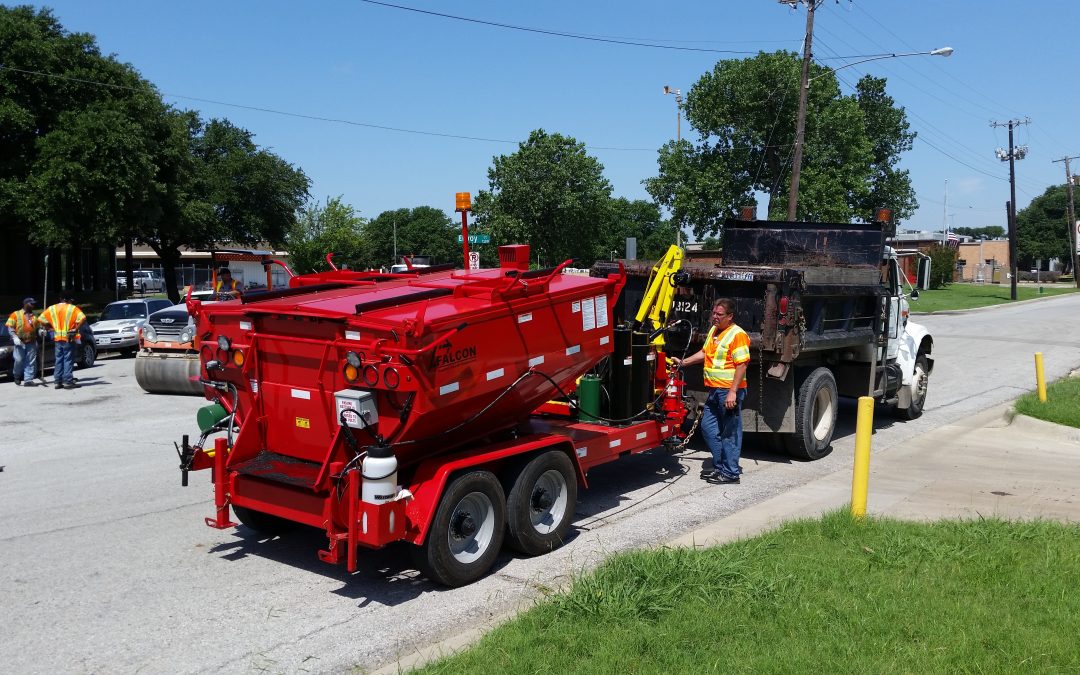
Why Contractors Choose Falcon Hot Boxes
In asphalt repair, your equipment isn’t just a tool—it reflects the quality of your work. When a crew pulls up to a jobsite, everything from the condition of the truck to the performance of the hot box signals professionalism, reliability, and attention to detail....
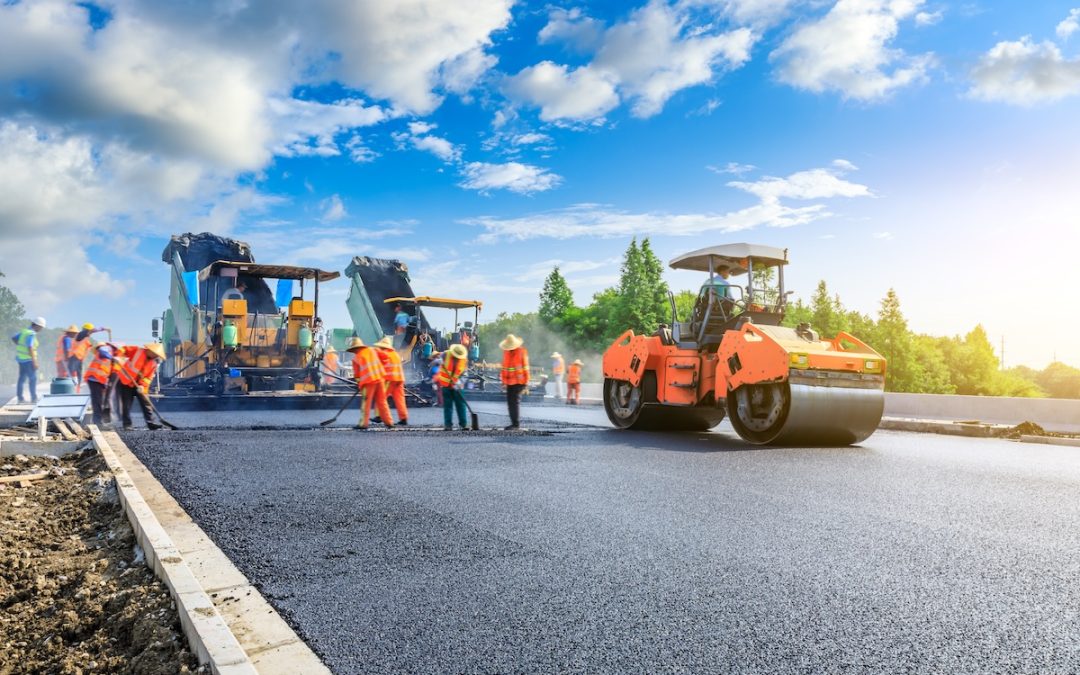
How Hot Boxes Help Large Contractors Increase Profitability
For large paving contractors, patching is often seen as a low-margin inconvenience, a distraction from the bigger, high-revenue paving spreads that drive profitability. Yet, when handled efficiently, patching can become a strategic, revenue-generating part of your...
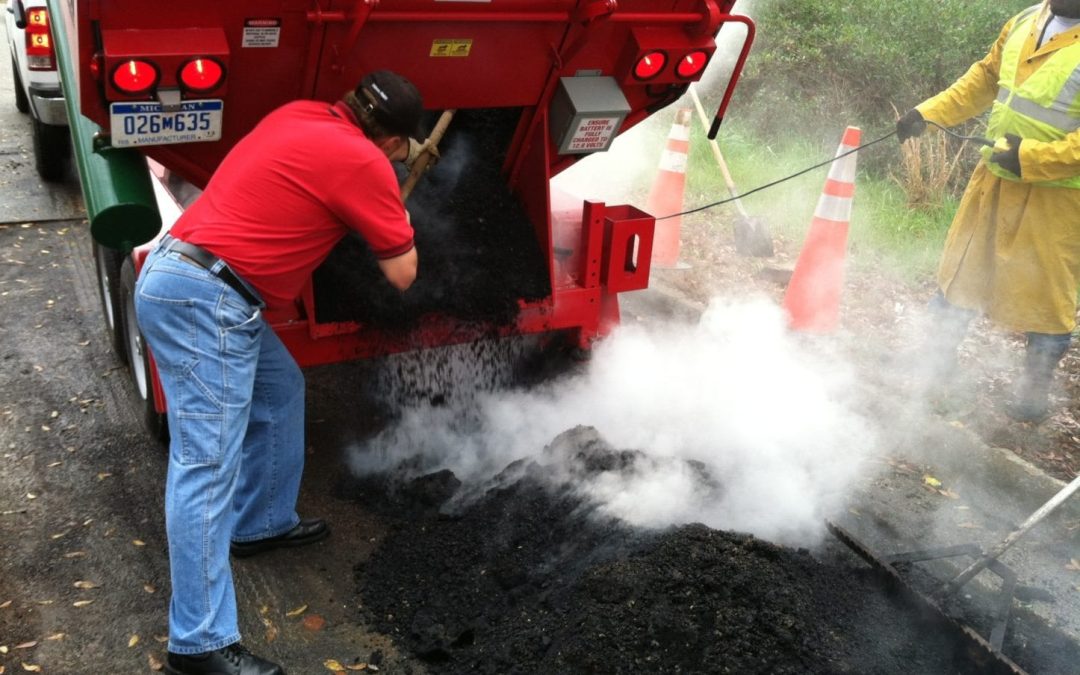
How Small & Mid-Sized Contractors Win More Patching Work with Hot Boxes
If you’ve ever turned down a patching job because the asphalt plant was too far away, the job was too small, or your crew would be stuck waiting around, you’re not alone. That’s exactly where a hot box becomes more than a piece of equipment — it becomes a growth tool....
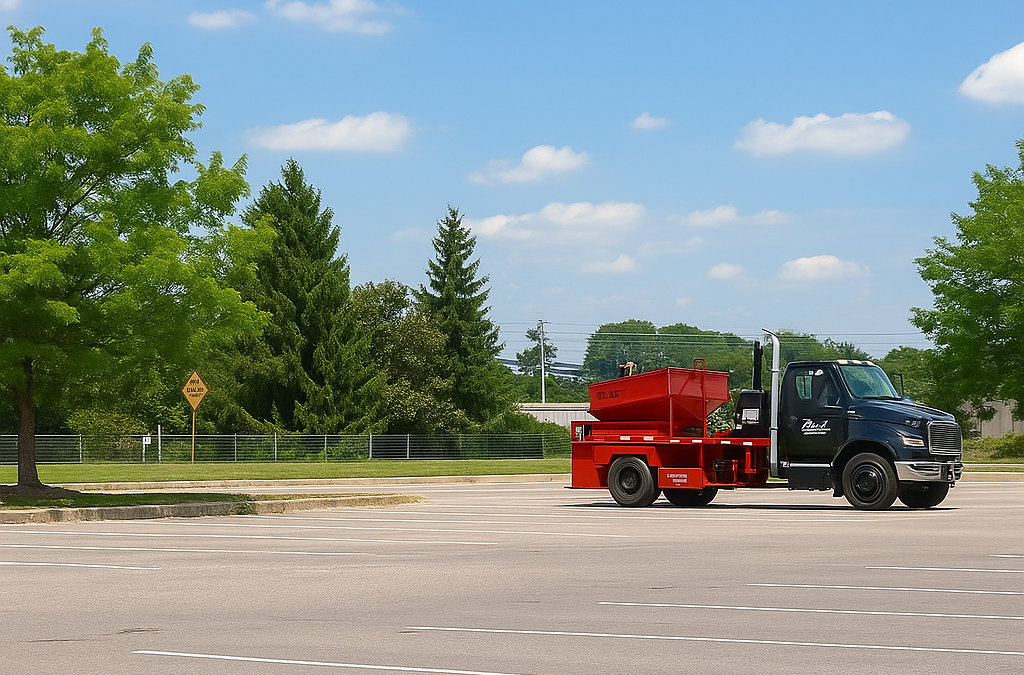
Understanding Patch Trucks’ Lifetime Cost of Ownership & Value
Choosing the right patch truck isn’t just about the upfront price. For municipalities working within tight budgets and limited staffing, understanding the patch truck lifetime cost of ownership is critical to making the most of every dollar invested. Patch trucks with...
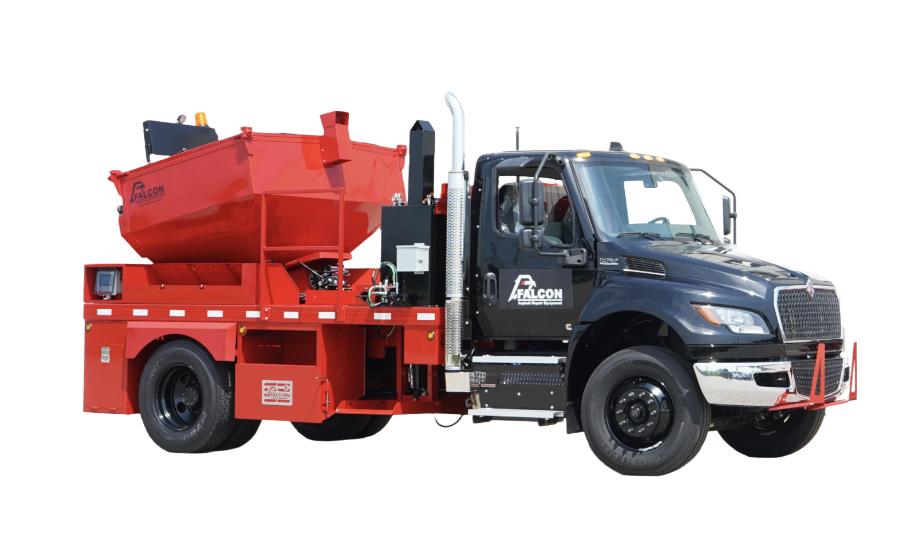
How to Spec Your Next Patch Truck: A Guide
Spec’ing a patch truck isn’t just about checking boxes. It’s about building a fleet that works as hard as your team does. Tight alleyways, unpredictable weather, staffing shortages, and long days in the field—road maintenance crews face real challenges that demand...
How Patch Trucks Help You Avoid Pricey Road Overhauls
Every municipality knows that pavement problems are inevitable. Between weather extremes, heavy traffic, and the daily wear of utility work, asphalt will crack, settle, and eventually fail. The real budget-buster isn’t the initial damage—it’s the compounding effect of...

How Falcon Patch Trucks Offer Complete Pothole Repair
For municipal road crews, pothole repair is a constant battle. Whether caused by freeze-thaw cycles, heavy traffic, sub-base failures or aging pavement, these road hazards demand quick attention to maintain safety and avoid costly vehicle damage claims. But fixing...

Recent Comments