When you’re managing a road maintenance crew, the last thing you need is equipment that creates more problems than it solves. New gear that ties up a truck, restrains your team, or breaks your daily rhythm isn’t an upgrade; it’s a liability.
So before we get into what a hot box can do for your operation, the more important question is: how does it fit into what you’re already doing?
Hot Boxes That Work With Your Existing Trucks
Truck-Mounted Hot Box Configurations
Whether you’re running a small one or two man patching crew out of a dump truck or a larger regional contractor managing dozens of vehicles, a hot box is specifically engineered to slot into the equipment you already own rather than replace it.
One of the most compelling integration points is the truck-mounted hot box configuration. Truck-mounted hot boxes are compatible with hook-lift systems, slip-in/roll-off systems, and direct chassis-mount configurations, matching the loading infrastructure most contractors already have in place.
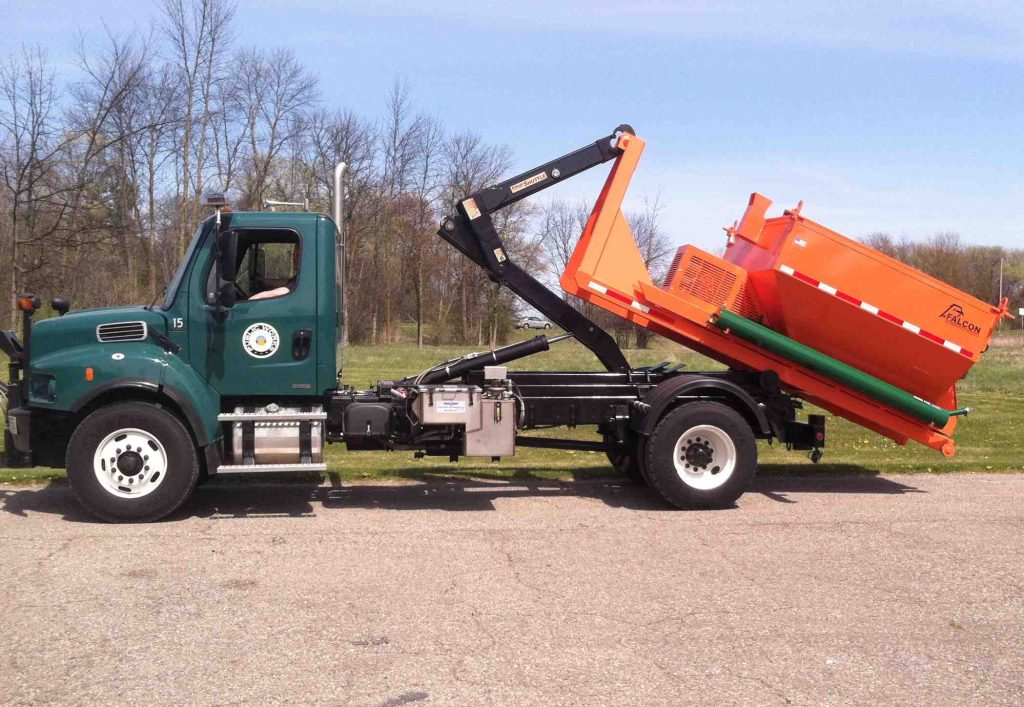
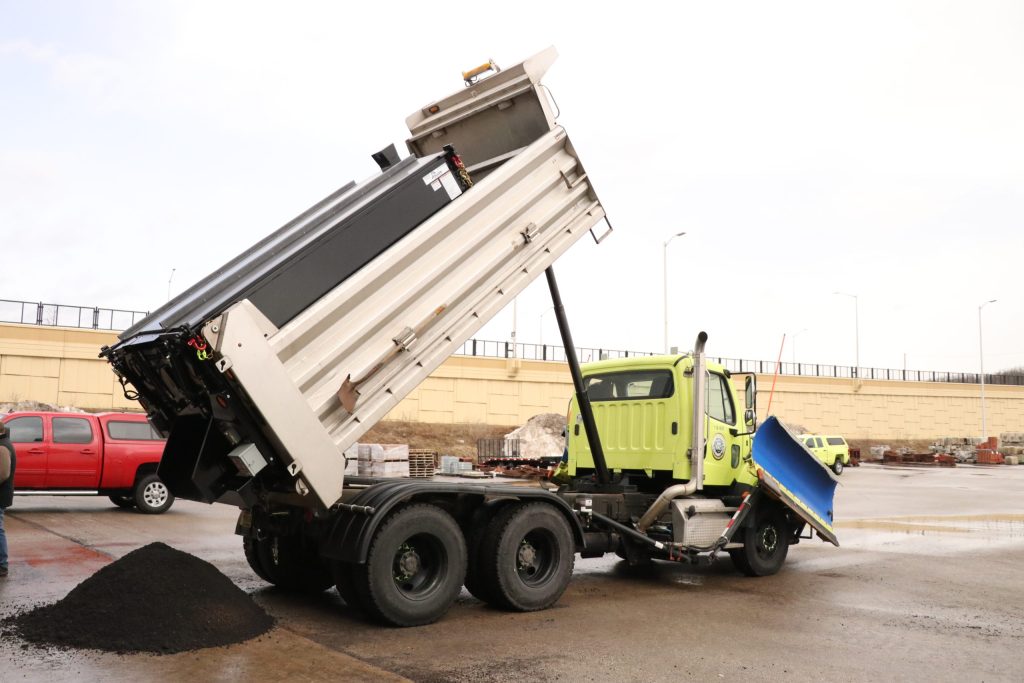
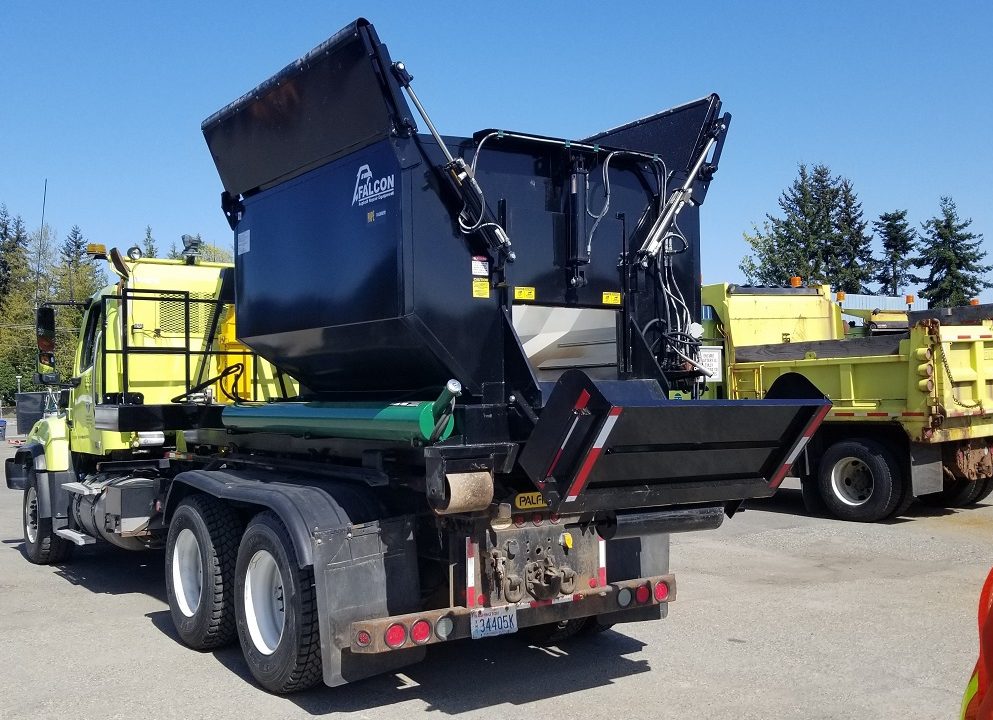
Designed to fit seamlessly onto your existing fleet, these units let contractors maximize assets already sitting in the yard. Instead of purchasing a dedicated asphalt vehicle, the same truck that hauls gravel on Tuesday can be outfitted as a capable pothole repair unit on Wednesday.
This matters enormously for municipal fleets, where budget scrutiny is high and idle equipment is difficult to justify. A truck-mounted hot box transforms an existing dump truck into a fully functional asphalt maintenance rig without permanent modification.
Trailer-Mounted Options for Versatile Crews
Not every contractor wants to tie up a truck. For crews that need maximum flexibility, trailer-mounted hot boxes offer independent mobility. They can be towed behind pickup trucks, service vehicles, or dump trucks, depending on the job size and crew setup.
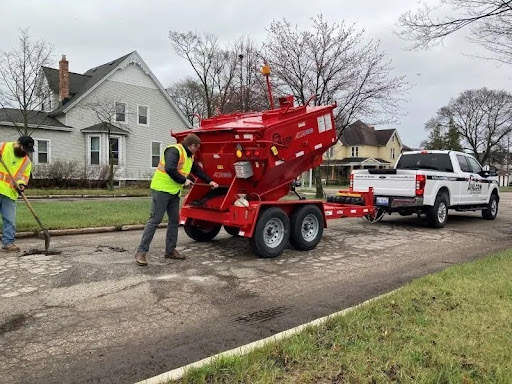
These units are especially well-suited for roadway maintenance because of the focus on curbside safety. Dispatching a crew to work on a roadway contract can be a nerve wreaking endeavor for contractors trying to keep their operators safe.Falcon has designed its hot boxes, specifically our trailer mounted units, to have most of our operating equipment on the curbside of the machine.
Reducing Dependency on Asphalt Plants
One of the less-discussed integration benefits is how a hot box changes a crew’s relationship with “time”. Traditional patching operations require close coordination with plant schedules and short windows to place material before it cools. A hot box extends that window dramatically, keeping mix workable for up to 48 hours.
48 hrs
Material held at optimal temperature overnight, so no more paying the plant to take material back.
7 Day Timer
Allows you to hold the material at lower temperature over night and increase th temperature right before shift start
Heat While in-Tow
Have long drives in between patching jobs? Falcon’s hot box can heat while in tow, making sure the material is ready when you need it.
For contractors whose job sites are far from a plant, or who work overnight and weekend shifts when plants are closed, this operational independence is a huge competitive advantage. Crews can load up, stage the equipment, and work on their own schedule.
Integrating Recycling into the Workflow
Most paving contractors have leftover asphalt at the end of a job. That material is generally considered waste. Hot boxes equipped with a dual-burner system can recycle those asphalt chunks or cookies, converting waste that would otherwise be hauled away into usable repair material.
This changes the economics of a project significantly. Rather than purchasing new hot mix for every repair run, crews can reclaim material already on hand. The process folds easily into existing end-of-day routines: apply a rejuvenator if needed, load the hopper, and heat overnight. You’re starting the next shift with usable material.
The gentle heating method used with indirect heat preserves the asphalt’s binding oils, the component that determines whether recycled material performs as well as fresh mix or crumbles on contact. Not all units handle this the same way, which is why equipment selection matters as much as the process itself.
Ease of Use
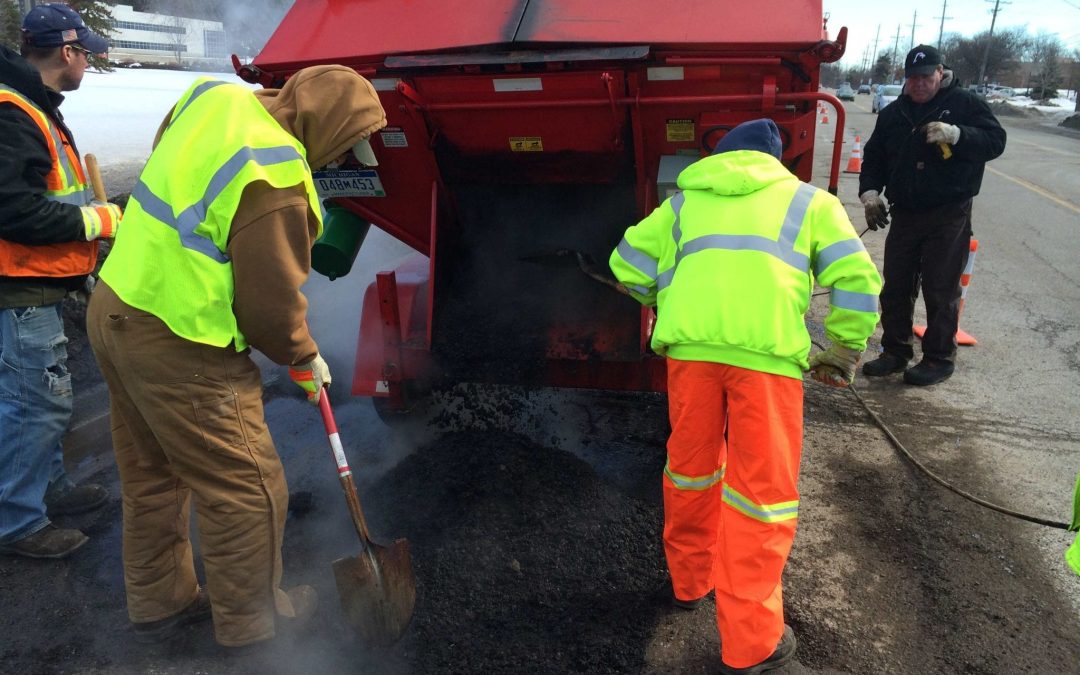
The optimized shoveling height is deliberately engineered lower than a standard dump truck bed to reduce the lifting strain that accumulates over a long shift. Hydraulic loading and unloading doors further reduce the manual effort required, particularly on higher truck configurations.
For crew managers, this means less fatigue-related slowdown late in the day and fewer repetitive strain issues over a season. It’s a workflow improvement that compounds across hundreds of patch jobs.
Scaling to the Size of the Job
Fitting into your fleet also means matching equipment to job volume without over-investing. Hot boxes are available in sizes ranging from 2-ton units, suited for tight city routes and smaller repair crews, up to 6-ton models capable of supporting 240 potholes per load. A contractor can start with a unit sized for current work and scale as contract volume grows, without redesigning the rest of the fleet around a single piece of equipment.
A well-designed hot box doesn’t demand that a contractor build their fleet around it. It finds a place in what already exists and makes that piece of the operation more productive.
Ready to See How Hot Boxes Improve Your Fleet?
If you’re ready to get more out of your existing fleet, Falcon has a hot box to fit it. Trailer-mounted and truck-mounted configurations, built from high-grade steel and brand-name components, backed by an industry-leading warranty.
Manufactured in Northern Michigan and trusted by contractors and municipalities across North America, there’s a configuration for virtually any crew size or operation. Explore Falcon’s full lineup and find the right fit.

Recent Comments